Articles

For years, Singapore's stock market was quietly dying. Now it is building a bridge to Nasdaq.
The money kept flooding in.

Singapore keeps raising the bar for foreign workers. And it opens a five-year door for the top few.
Singapore is not blocking immigration.

Hong Kong just passed Switzerland as the world's number one wealth hub. Singapore is quietly playing a different game.
Hong Kong won on size.

Singapore just made it easier to open a family office. And much harder to keep one.
The country that courts the wealthy has quietly added a filter that keeps only the real ones.

Money is quietly turning into code. And it does not need a bank to move.
We assume money moves through banks.

The AI gold rush is cooling. Investors are back to one boring question. Does it actually make money?
This month it got real.
Most AI startups will be gone in two years. The ones that survive will not be AI companies at all.
That sounds backwards.
The smartest VCs stopped funding AI startups. They are buying old, boring companies instead.
For two years, everyone chased the next AI startup.
If your company isn't AI, the 2026 IPO window isn't really open for you.
AI and AI-adjacent companies make up roughly 92% of this year's IPO pipeline by value.
AI's ceiling was never going to be chips. It's electricity.
Everyone watches GPUs.
Anthropic just became the most valuable private AI company on earth. It passed OpenAI.
A single funding round brought in $65 billion, valuing the company at $965 billion.

The investor who called the 2008 crash is now shorting AI. He thinks 2026 is 1999.
Michael Burry told his subscribers in May that "the market has jumped the shark," then took a leveraged short on chips through early 2027.
Startup competition used to be about headcount. Now it's about speed. That single shift is rewriting how businesses are built.
"How big is your team?" Investors used to ask it first.
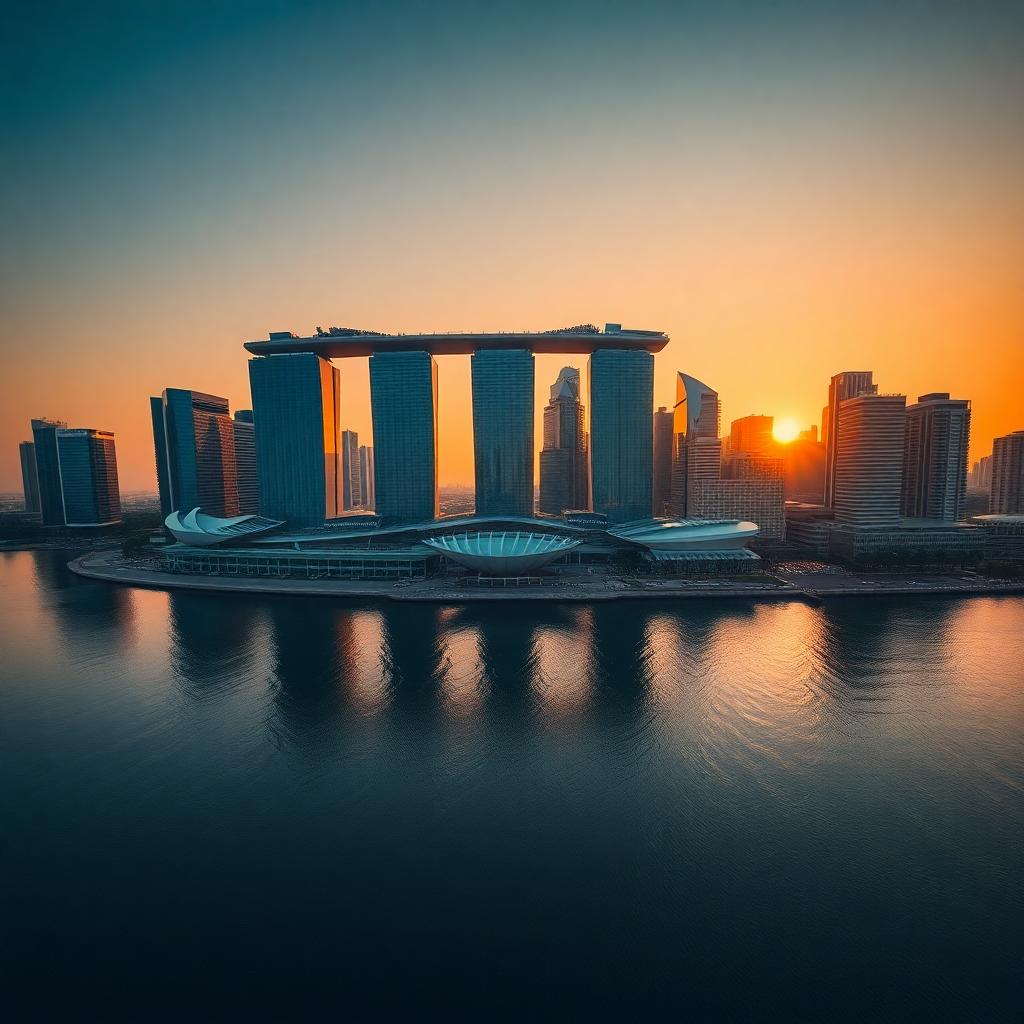
Singapore's cost of living isn't a business expense. It's an entry fee.
For the third year running, Julius Baer ranks it the most expensive city in the world for the wealthy.

The biggest risk in AI isn't the technology. It's the leaders spending on it without knowing why.
Last year, every major company declared an AI transformation.
220 unicorns hit their peak in 2021. Most of them are never coming back.
These were the companies that defined a generation of startups.

AI is not a mass unemployment story. It's a gateway unemployment story.
I thought the automation panic was overblown.
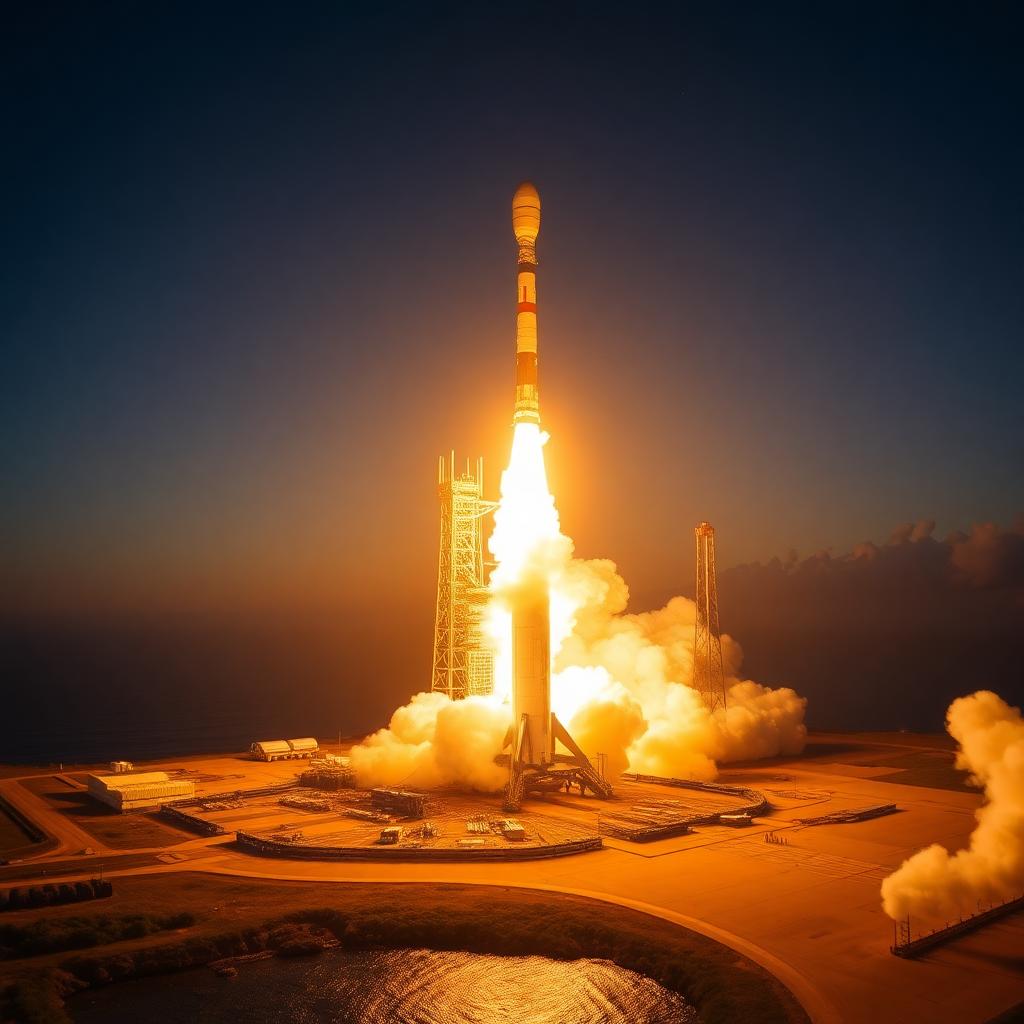
The largest IPO in human history happens today. $1.75 trillion valuation. $75 billion raised. More than 2.5 times what Saudi Aramco did in 2019 — the previous record.
Most people see a space company going public.
34 AI startups now generate $80 billion in annualized revenue. Six months ago, that number was $38 billion. It doubled.
For years, the skeptics had a clean argument: AI burns cash, it doesn't make it.
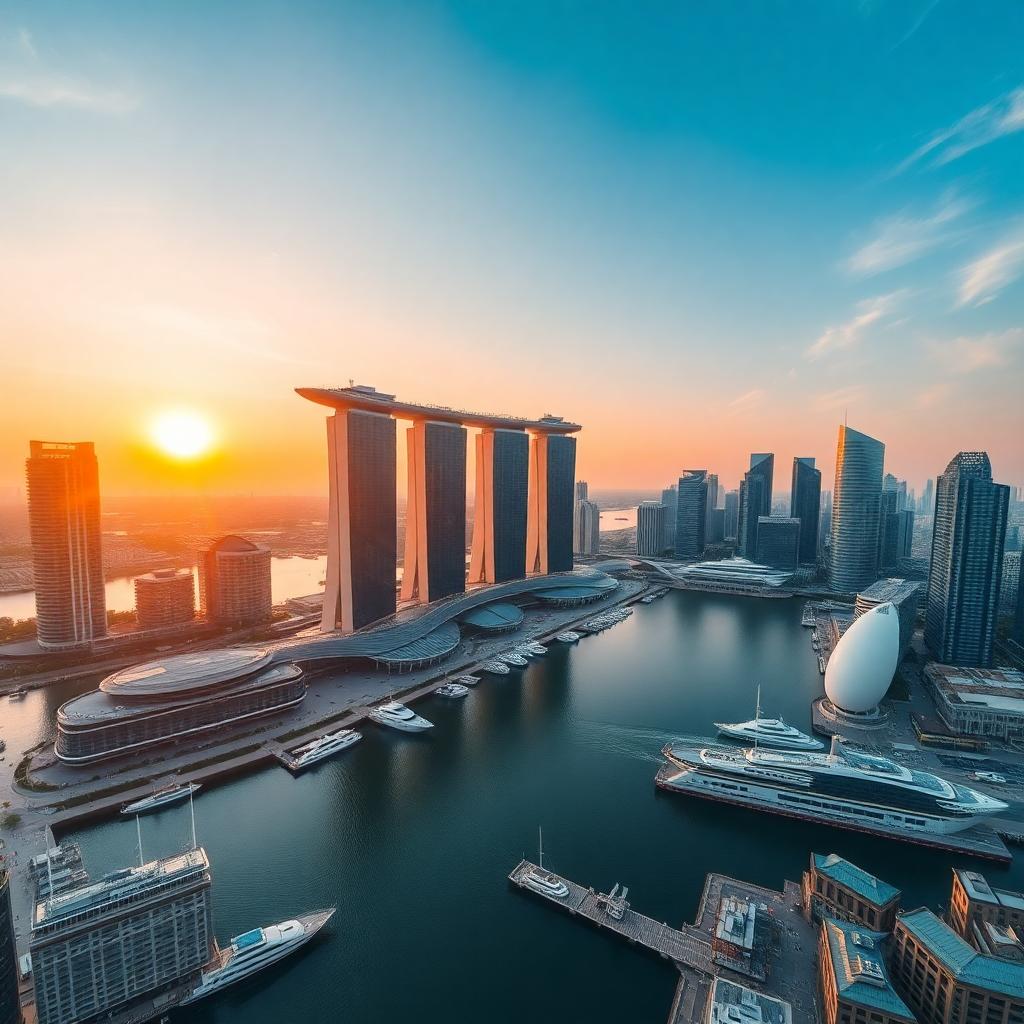
Singapore just absorbed $61 billion in new private wealth. In a single year. Not investment capital. Not trade volume. Private money — from individuals who chose to move their wealth here.
Most people explain it with one word: taxes.
Two years ago, almost nobody outside Silicon Valley knew Anthropic existed. This quarter, it outearned OpenAI.
Everyone assumed this was a one-horse race.
AI is creating billionaires faster than any technology in history. Not in decades. Not in years. Two new ones every single day.
Most people still ask whether AI is a bubble.
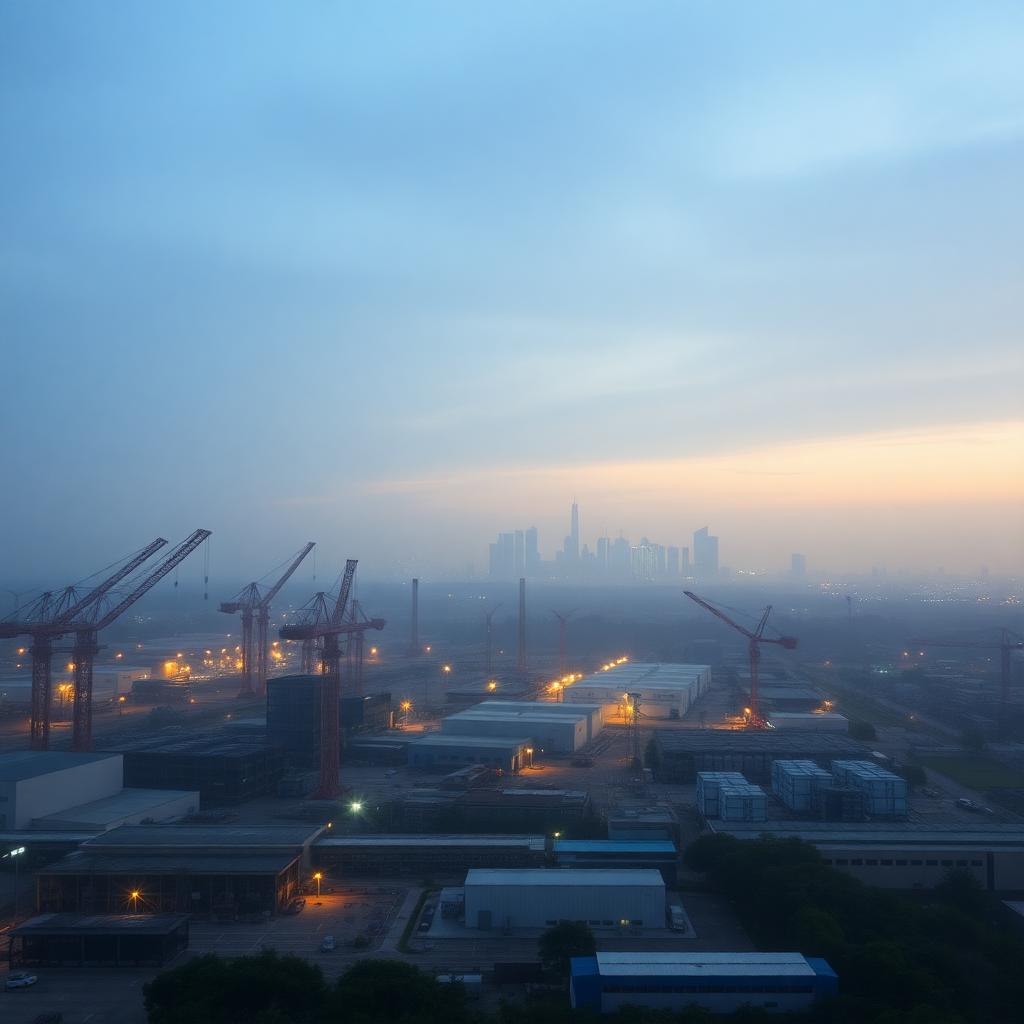
Vietnam quietly became the world's next manufacturing powerhouse. Intel and Samsung saw it first.
For two decades, "China plus one" was about hedging political risk.
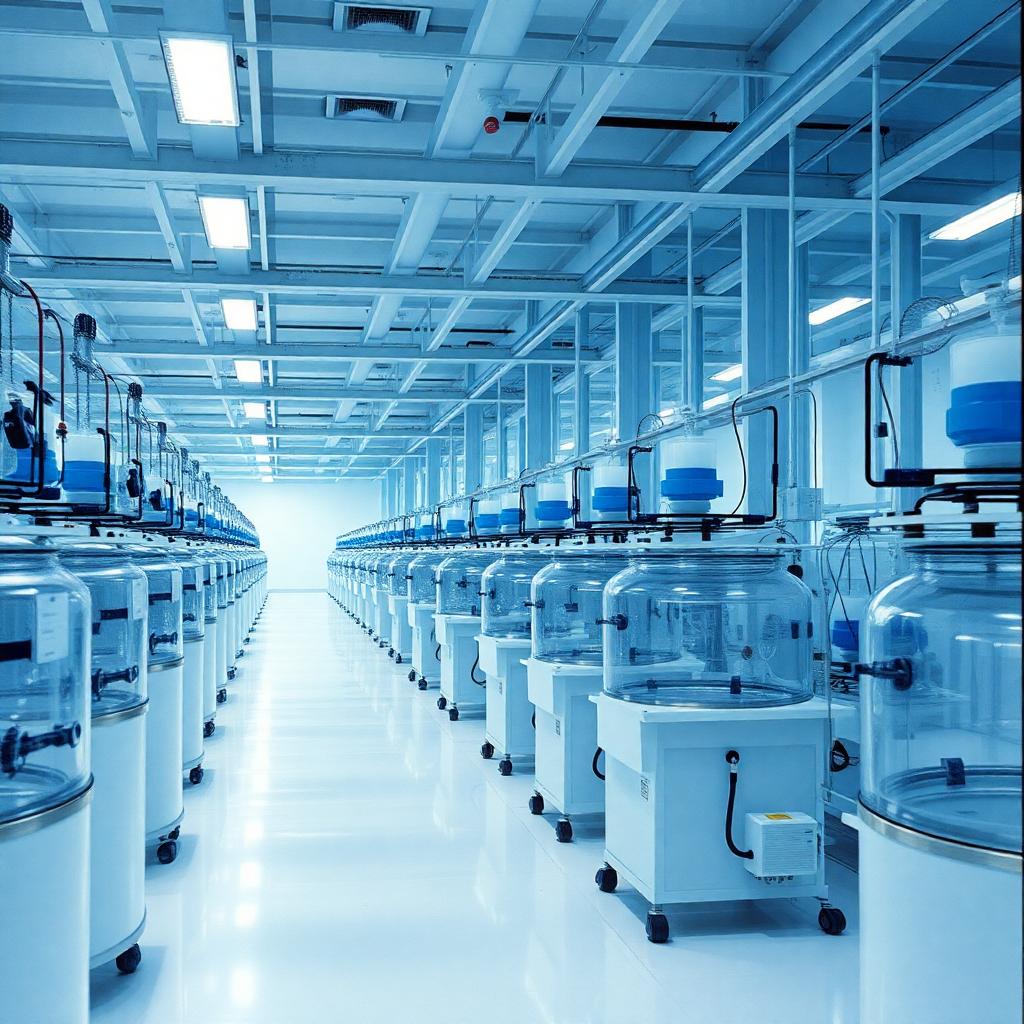
India makes 60% of the world's vaccines. The pandemic only made this dependency stronger.
When COVID-19 hit, the world expected Pfizer and Moderna to save it.
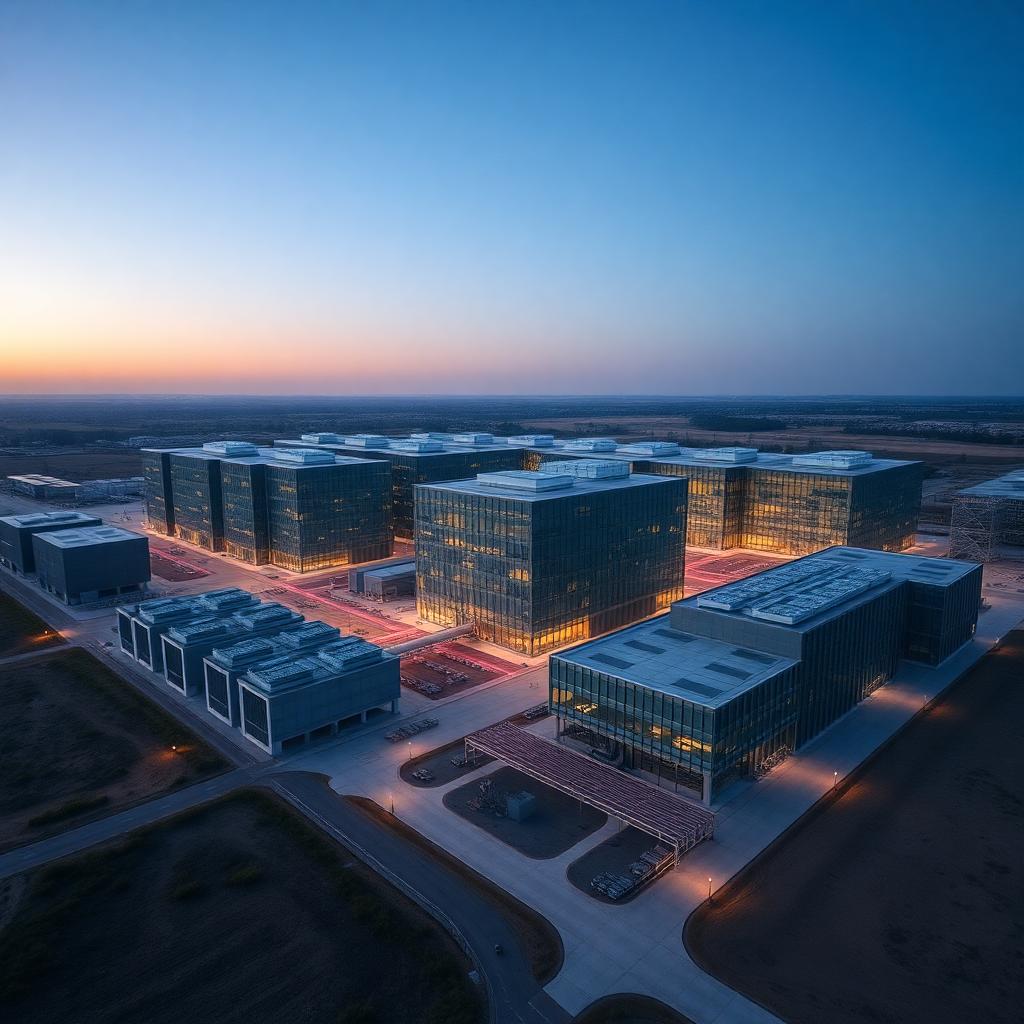
Singapore quietly built half of Asia's data center capacity. And it's running out of land.
A country smaller than New York City controls roughly 35% of Southeast Asia's data center IT load — about 1,400 megawatts.
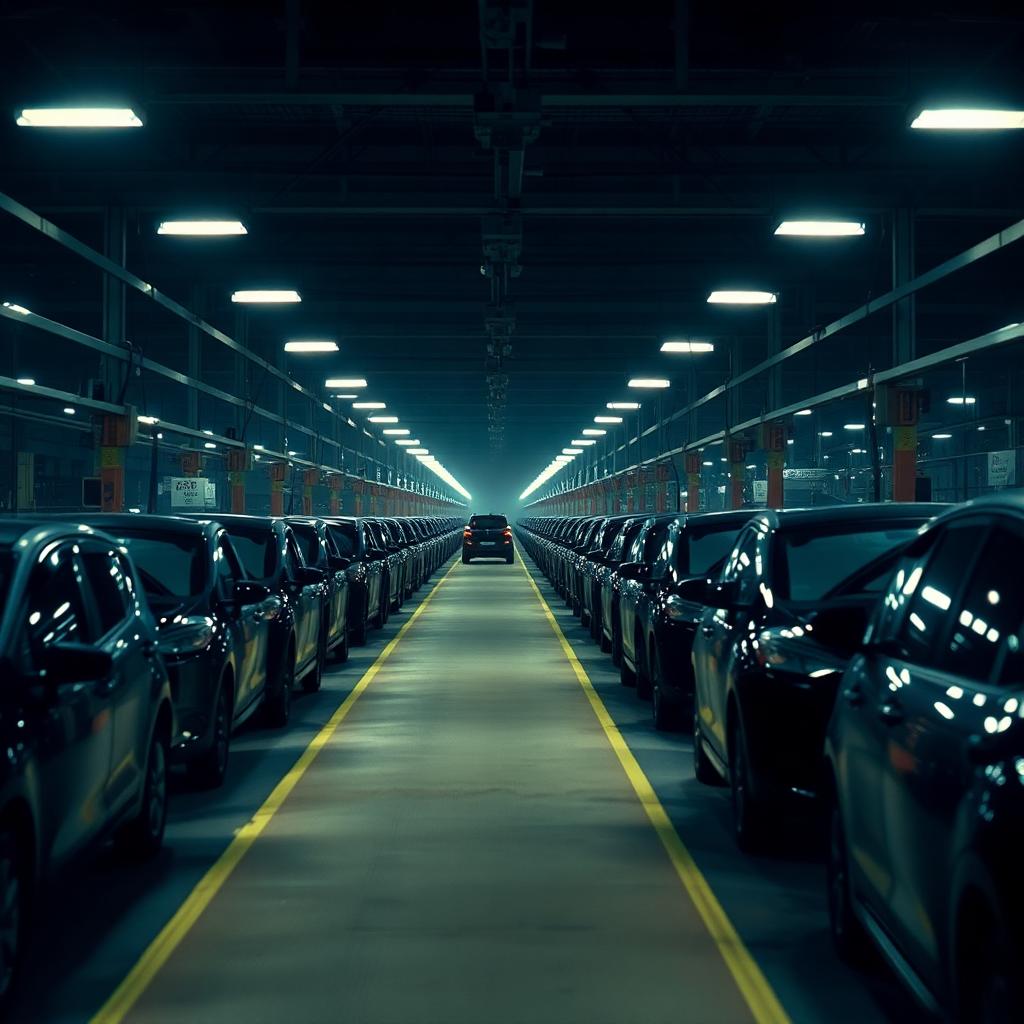
India's EV revolution is happening without subsidies. Most countries can't replicate this.
Every other major EV market depends on incentives.
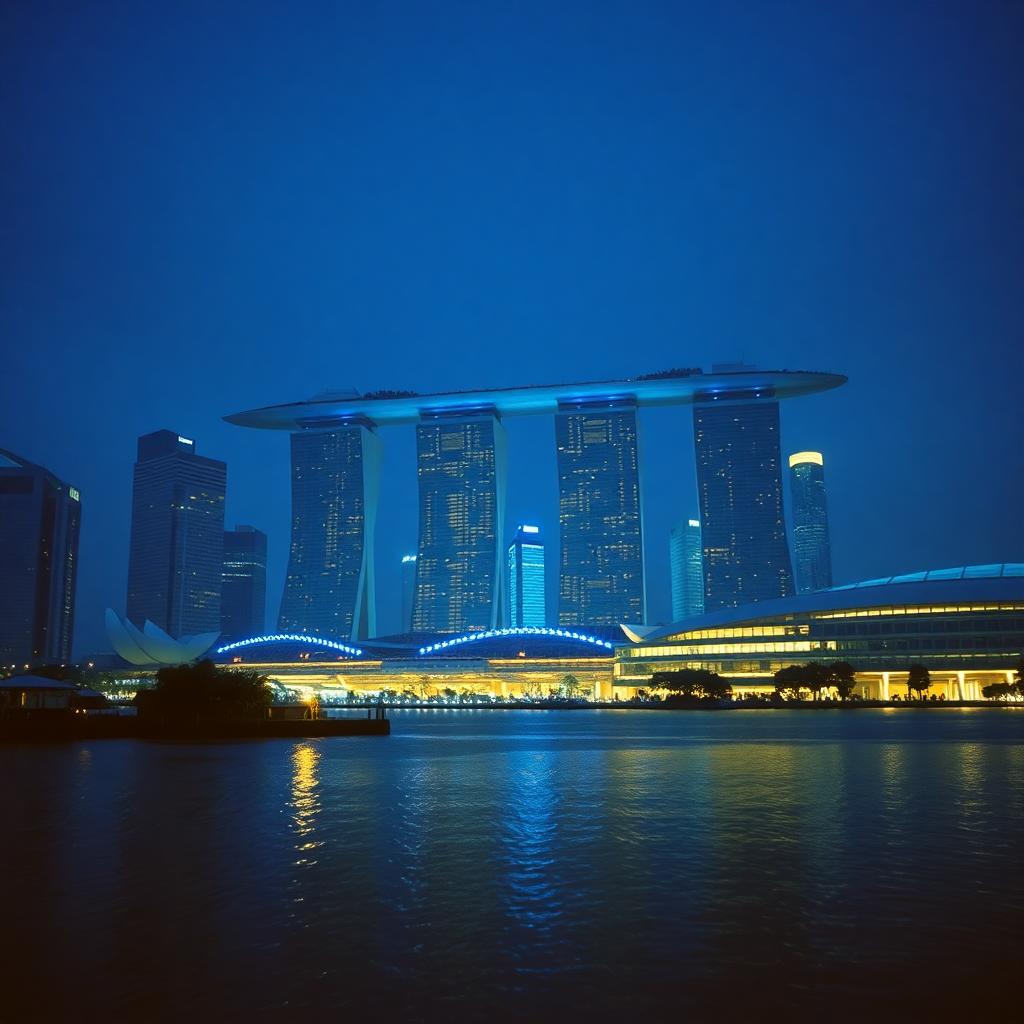
Singapore is quietly becoming Asia's AI regulation capital.
Every major AI company is taking notice.
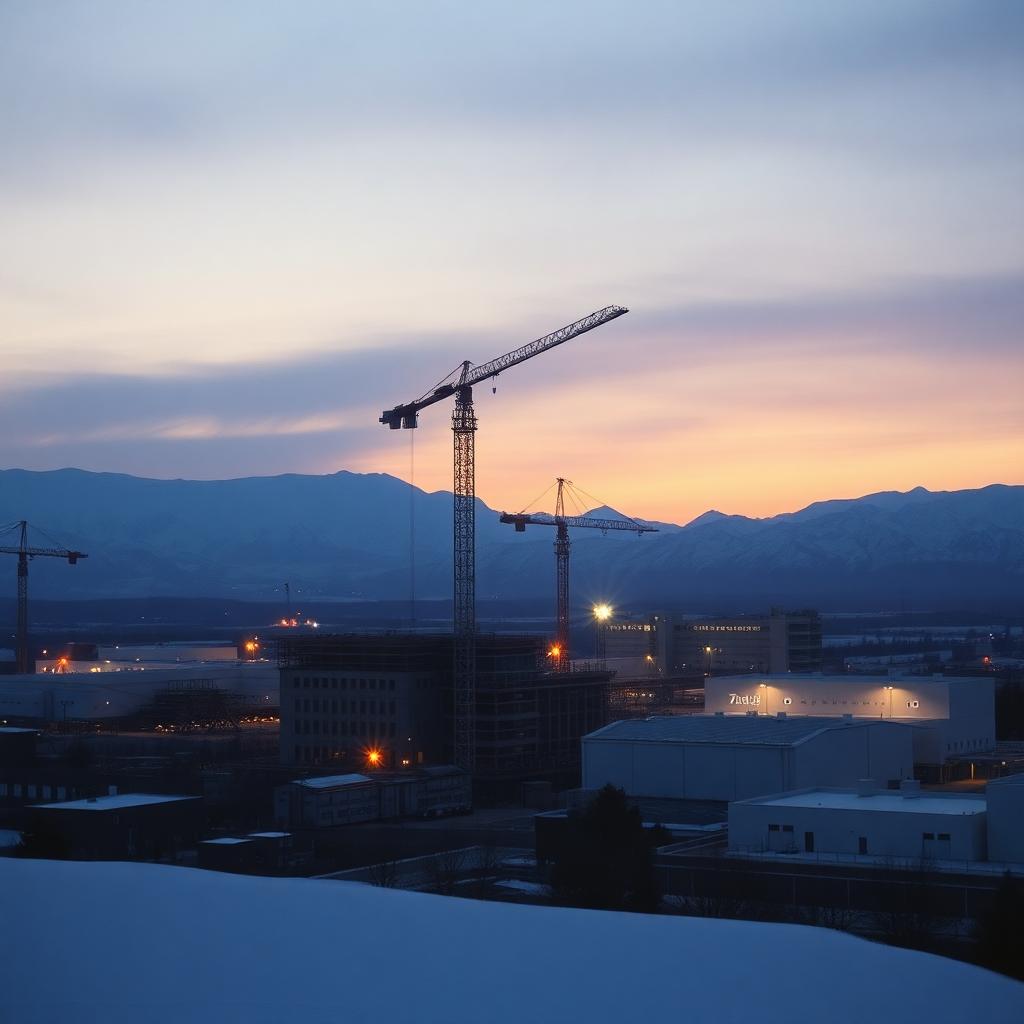
Japan is rebuilding its semiconductor industry from scratch.
In 1988, Japan controlled 50% of the global semiconductor market.
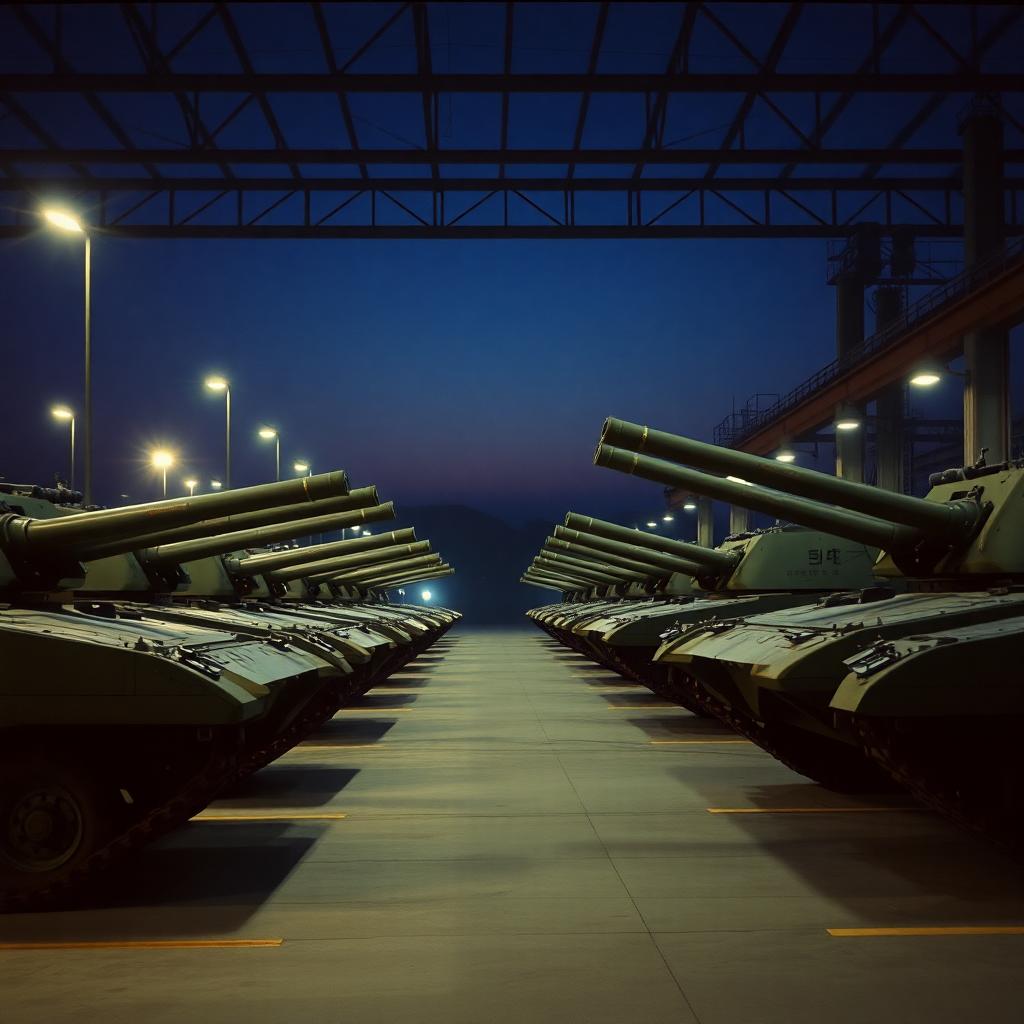
South Korea is now the world's 4th largest arms exporter. Most people still think Korea exports cars and phones.
When Russia invaded Ukraine in 2022, European countries panicked.
Three Indian SaaS companies quietly built a $20 billion export industry. No VC. No hype.
When people talk about Indian tech, they mean TCS, Infosys, Wipro.