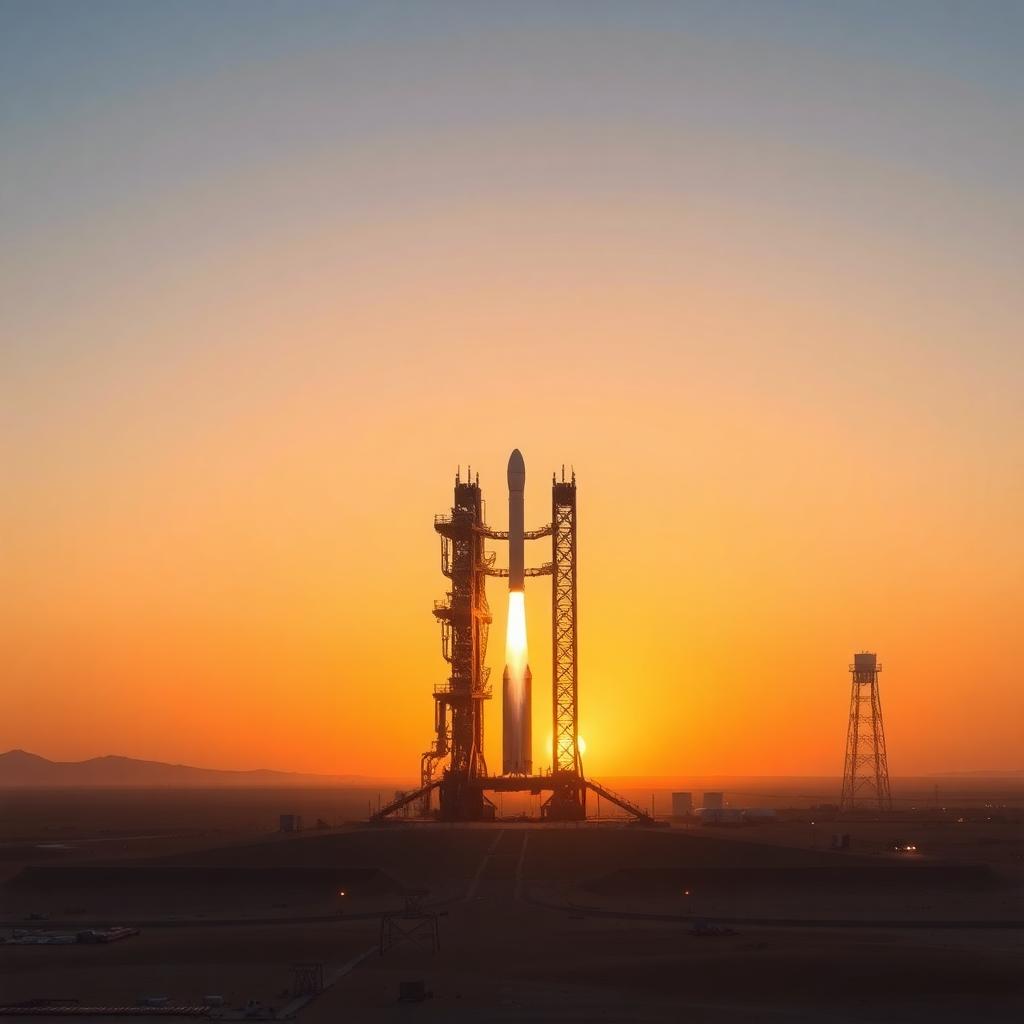
Three straight nights of US strikes on Iran have pushed oil past $80 a barrel
Hormuz toll plan deepens shipping anxiety as Middle East conflict rattles energy markets
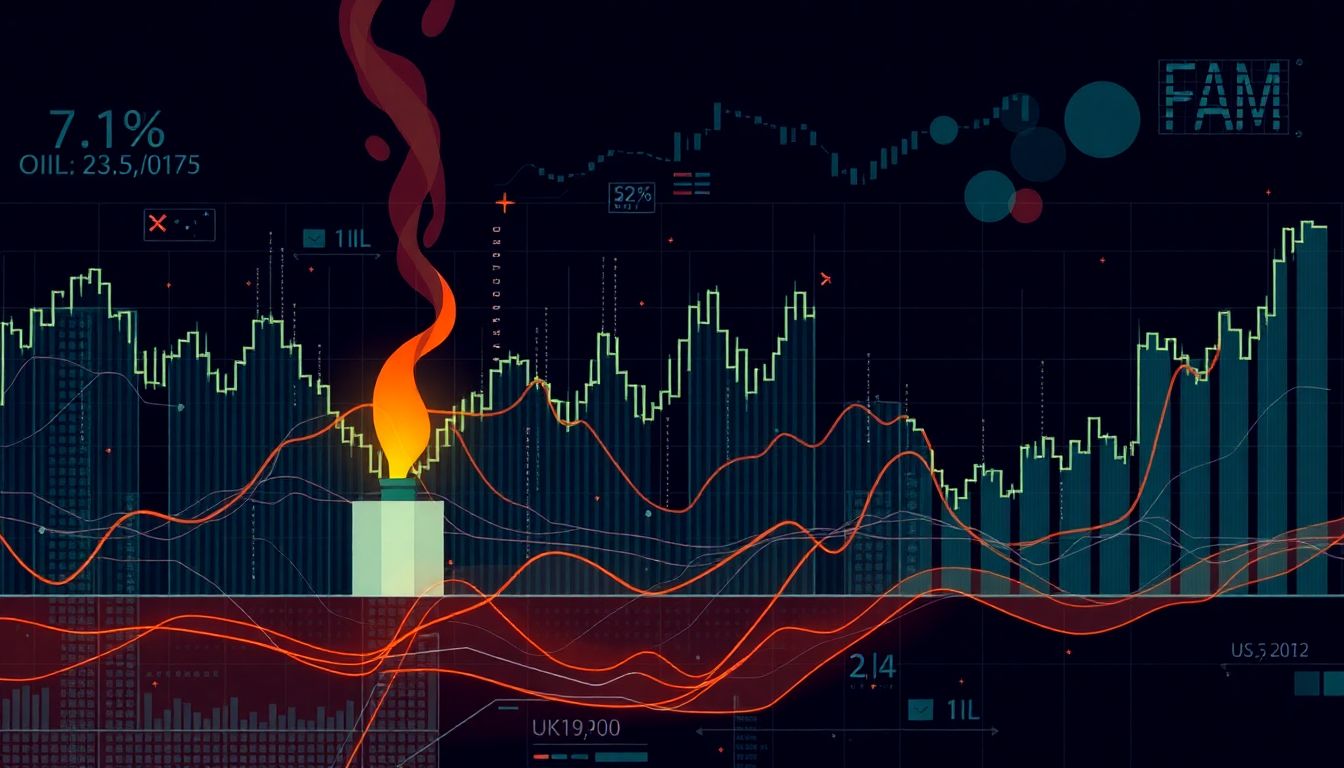
The United States' third consecutive night of strikes against Iran has turbocharged oil markets and reshaped the calculus of regional conflict. Crude prices topped $80 a barrel in the wake of the US action and Tehran's tanker attacks in the Strait of Hormuz, a sign that traders now price meaningful disruption risk into every barrel. What makes this moment distinct is not the strikes themselves but the parallel proposal to monetize the crisis: Trump's plan to impose shipping tolls for passage through the world's most critical oil chokepoint.
The toll scheme has collided immediately with the shipping industry's core interests. Hapag-Lloyd, one of the world's largest container carriers, rejected the proposal as fundamentally wrong, signaling that even the threat of such charges erodes confidence in transit routes. According to CNBC and The Guardian reports, the simultaneous military escalation and revenue grab have spooked financial markets beyond oil futures alone.
Energy prices jumped sharply because the US-Iran clashes raised the odds of interest rate rises, according to The Guardian. This connection reveals how geopolitical risk bleeds into monetary policy: central banks watching oil inflation may feel compelled to hold rates higher longer, compressing borrowing costs across the global economy. Oil at $80 signals more than physical supply risk. It signals that markets now embed a significant probability of sustained inflation pressure from Middle East friction.
The toll proposal compounds this jeopardy by introducing policy uncertainty atop kinetic uncertainty. Shippers face not just the threat of conflict-driven bottlenecks but also the prospect of state-imposed fees on passage. A carrier cannot hedge away government extraction, and the combination of military threat and commercial toll creates a worst-case scenario for maritime economics. When the world's safest trade route becomes expensive and dangerous simultaneously, capital redeploys.
This moment clarifies a hard truth about energy security: oil prices reflect not only barrels destroyed but confidence in the system that delivers them. Three nights of strikes and a toll proposal have shattered both at once, leaving global commerce to reckon with the cost.
Sources
Related reading
Vietnam quietly became the world's next manufacturing powerhouse. Intel and Samsung saw it first.
India makes 60% of the world's vaccines. The pandemic only made this dependency stronger.
India's EV revolution is happening without subsidies. Most countries can't replicate this.
South Korea is now the world's 4th largest arms exporter. Most people still think Korea exports cars and phones.
Singapore became Southeast Asia's fintech capital. It wasn't an accident.