Why 200 economists and 16 Nobel laureates say AI will disrupt jobs and the economy
Leading experts warn governments must act now to prepare for artificial intelligence's economic transformation
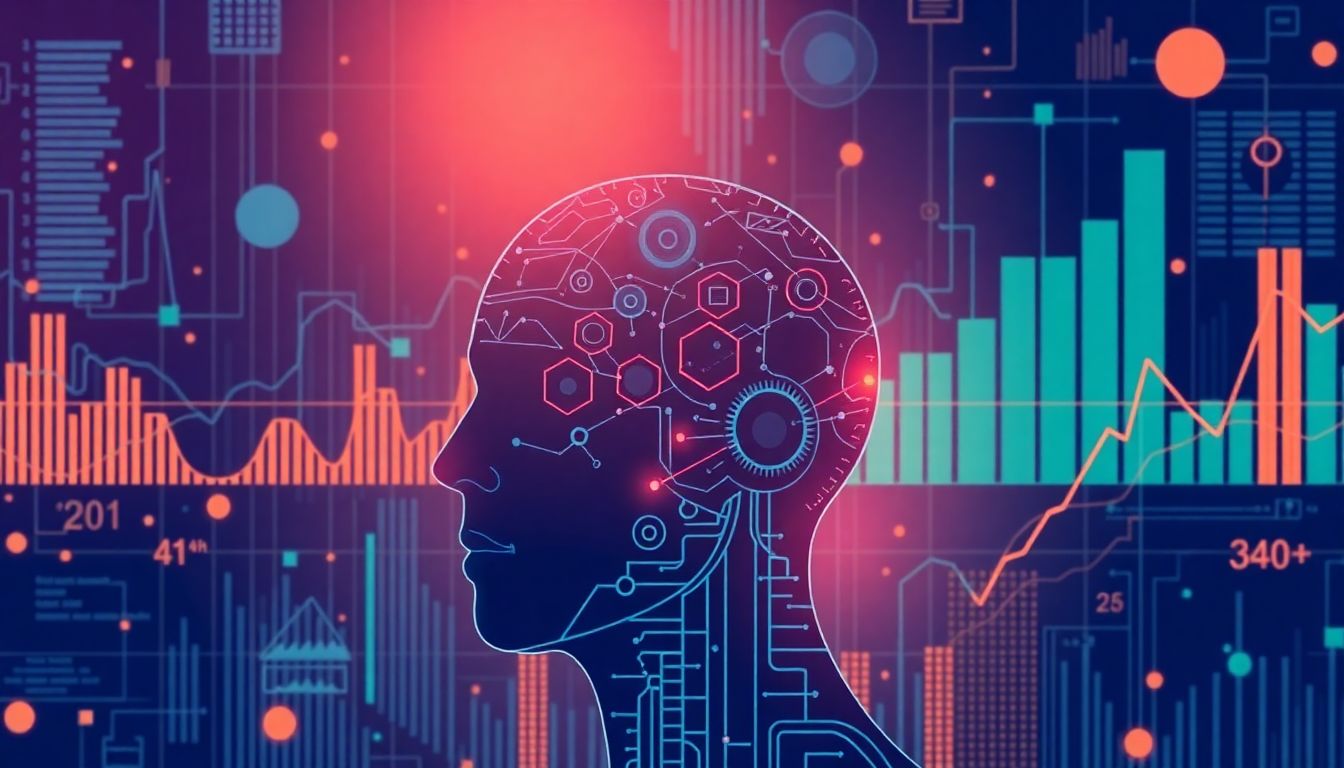
Hundreds of economists are sounding an alarm that the world is unprepared for artificial intelligence's impact on jobs and economic stability. Yet governments and institutions have largely treated AI's economic disruption as a problem for later, despite mounting evidence that the risks require urgent intervention now. More than 200 experts, including 16 Nobel laureates, have joined forces to demand action before AI-driven job displacement accelerates beyond the point where policy can cushion the blow.
The breadth of the warning is significant. These are not fringe voices but leading economists and AI researchers whose credentials span Nobel Prize recognition and academic authority across the world's top institutions, according to reporting from AP News and Reuters. Their consensus is blunt: the world must prepare now for AI's impact on the economy. The call comes as companies deploy AI systems faster than regulators can assess them, and as labor markets show early signs of AI-related displacement in white-collar jobs previously thought insulated from automation.
What makes this moment distinct is the scale of expert alignment. Sixteen Nobel laureates represent the kind of institutional credibility that typically moves policy. Their participation signals this is not a sectoral concern but an economy-wide risk. The Stanford Digital Economy Lab and other research centers have been tracking how AI adoption is concentrating among large firms and wealthy nations, potentially widening inequality if left unmanaged. The experts are not predicting AI will destroy the economy, but rather that absent deliberate policy choices now, the distribution of AI's benefits and costs will be neither automatic nor equitable.
The call for action reflects a specific anxiety: that by the time visible labor disruption becomes undeniable, the window for proactive policy will have closed. Retraining programs, wage supports, and education reform take years to design and implement effectively. The economists are arguing that waiting for a crisis before acting guarantees a worse crisis. Their message is that governments should begin building the institutional and financial scaffolding today that workers will need tomorrow. The decision to act now or defer that cost to later is not a technical question but a political one, and the experts are making clear which choice they believe history will judge.
Related reading

Money is quietly turning into code. And it does not need a bank to move.

Most AI startups will be gone in two years. The ones that survive will not be AI companies at all.
AI's ceiling was never going to be chips. It's electricity.

Anthropic just became the most valuable private AI company on earth. It passed OpenAI.

Startup competition used to be about headcount. Now it's about speed. That single shift is rewriting how businesses are built.